


Travel To Lisbon
How to Get to Lisbon from Abroad
Getting to Lisbon: Overview
Lisbon is one of Europe’s most accessible capital cities, with travel options to match every budget, comfort level, and schedule. Most visitors arrive by plane at Humberto Delgado Airport (LIS), Lisbon’s main international airport, just a short metro or taxi ride from the city center. The airport has two main terminals and handles the bulk of Portugal’s international air traffic, welcoming both low-cost carriers and full-service airlines from around the world.
Flying to Lisbon from Europe and Overseas
Across Europe, frequent direct flights connect Lisbon with major cities such as London, Paris, Madrid, Barcelona, Amsterdam, Frankfurt, and Rome. Flight times typically range from 1.5–3 hours from most Western European hubs and around 3–4 hours from Central and Northern Europe. From overseas, direct routes link Lisbon with cities like New York, Boston, Toronto, São Paulo, Rio de Janeiro, and several African capitals, with journeys usually taking 6–9 hours from North America and 9–11 hours from South America.
Reaching Lisbon by Train
Trains offer a relaxed and scenic alternative for those already in Spain or Western Europe. High-speed and intercity rail services connect Lisbon with Madrid and other Spanish cities, usually with one or two changes along the way. Travel times range from about 8–10 hours from Madrid to 12–16 hours or more from cities like Paris or Barcelona. Rail travel suits those who value legroom, views from the window, and a smoother, more leisurely journey, and who are happy to trade speed for comfort when traveling to Lisbon.
Traveling to Lisbon by Bus
Long-distance buses are often the most economical way to reach Lisbon from neighboring countries. International coach companies operate routes from Spain, France, and other European nations, including overnight services that can save the cost of a hotel. Travel times are long: from Madrid the journey usually takes around 8–10 hours, and from Paris or other more distant cities it can easily exceed 20 hours. Buses work best for budget-focused travelers who are comfortable with basic seating, limited space, and extended travel times when traveling to Lisbon by road.
Driving to Lisbon by Car
Arriving by car provides maximum freedom and the chance to turn the trip into a road adventure. Major highways link Lisbon with Spain and the rest of Europe, and roads are generally well maintained. Driving times vary: from Madrid it takes roughly 6–7 hours, while from cities like Paris or Berlin the journey will require at least a couple of days with overnight stops. It is important to factor in tolls, fuel costs, parking fees in Lisbon, and possible congestion when approaching the city, especially during peak travel seasons.
When to Book Transport to Lisbon
Flights to Lisbon are often more affordable when booked 6–8 weeks in advance for European routes and 2–3 months ahead for long-haul trips, especially in summer or around holidays. Trains and buses also tend to offer lower fares for early bookings, and popular overnight services can sell out quickly. Drivers benefit from planning routes and accommodation in advance during busy periods and checking for toll roads or low-emission zones in cities along the way.
Luggage Considerations for Travel to Lisbon
Luggage can strongly influence the best way to travel. Airlines often charge extra for checked bags, particularly low-cost carriers, so these fees should be included when comparing prices for flights to Lisbon. Trains and buses usually allow more generous luggage without additional charges, but bags must be carried during transfers and through stations. Driving offers the greatest flexibility for packing, yet overloading the car can become inconvenient, especially as parking in Lisbon’s historic center is limited and luggage may need to be carried up hills or stairs.
Choosing the Best Way to Reach Lisbon
The ideal way to reach Lisbon depends on budget, comfort preferences, and available time. Flying is usually the fastest option and can offer excellent value when booked early, particularly for longer distances. Trains are ideal for those who prioritize comfort, space, and convenient city-center to city-center travel within a reasonable range. Buses are suited to strict budgets and travelers who accept longer journeys. Driving is perfect for exploring multiple destinations and setting a personal pace. Whichever route is chosen, arriving in Lisbon is straightforward, and every journey ends in a vibrant, welcoming city with plenty to discover.

Humberto Delgado Airport, Lisbon’s main international airport, is relatively compact compared with many major European hubs, which makes arrivals and transfers straightforward for first-time visitors. Most international flights land at Terminal 1, where passport control, baggage claim, and customs are located, along with direct access to the metro, taxis, and app-based ride services. The journey from the airport to central Lisbon areas such as Baixa, Chiado, or Avenida da Liberdade typically takes 20–30 minutes by metro and even less by taxi outside rush hour, allowing travelers to start exploring the city soon after landing.
Within Europe, Lisbon is well connected by both full-service airlines and low-cost carriers, offering a choice between no-frills tickets and more comfortable options with included luggage, seat selection, and onboard services. For long-haul and intercontinental trips, flights may be direct or routed via major European hubs such as London, Paris, Frankfurt, or Madrid. When comparing routes to Lisbon, it is worth considering total travel time, including layovers and potential delays, as a slightly more expensive direct flight can save many hours and reduce the risk of missed connections.
International train journeys to Lisbon usually involve changing trains in major cities like Madrid, Irun, or Hendaye. Although there are fewer direct rail services than in the past, high-speed networks are improving, and it is often possible to combine fast trains with regional connections for a comfortable overland route to Portugal. Booking tickets in advance can secure better prices and reserved seats, especially in first or business class, which provide extra space and quieter carriages on long trips. Night trains or late-evening departures can help maximize sightseeing time and allow travelers to arrive in Lisbon rested and ready to explore.
Long-distance buses to Lisbon typically depart from central bus stations and arrive at the city’s main terminals, such as Sete Rios or Oriente, both of which are connected to the metro, suburban trains, and local buses. Modern coaches usually offer air conditioning, Wi‑Fi, and power outlets, although legroom, seat recline, and onboard amenities vary by company and route. For overnight bus journeys, it can be helpful to bring a travel pillow, earplugs, and an extra layer for added comfort. Luggage rules should be checked in advance: most operators allow one large suitcase in the hold and a smaller bag onboard, but extra, oversized, or sports equipment may incur additional fees.
For those driving to Lisbon, it is useful to plan the approach to the city in advance. Lisbon is served by several main access roads and bridges over the Tagus River, and traffic can be heavy at peak commuting times. Many central neighborhoods feature narrow streets, limited parking, and pedestrian-only zones, especially in historic districts such as Alfama and Bairro Alto. It is often more convenient to park in a secure garage or park-and-ride facility on the edge of the center and then use public transport or walk to explore the main sights. When renting a car, it is important to confirm that the agreement covers cross-border travel if entering Portugal from another country, and to keep documents, insurance details, and electronic toll information easily accessible.
When planning the best time to book travel to Lisbon, seasonal patterns play a significant role. Summer, Easter, and the Christmas and New Year holidays are peak periods when flights, trains, and buses fill quickly and prices rise. Traveling in spring or autumn often means lower fares, milder weather, and fewer crowds at popular attractions. Midweek flights and off-peak train or bus departures are frequently cheaper than weekend options. Setting fare alerts, comparing different departure airports or cities, and checking alternative routes can help secure better deals, especially for travelers based in regions with multiple transport hubs.
When weighing different ways to reach Lisbon, it helps to match the mode of transport to personal priorities. For speed and convenience, particularly from distant destinations, flying into Humberto Delgado Airport is usually the most efficient option. For a more relaxed journey with space to move around and scenic views, trains are ideal, especially from nearby European countries. Travelers on a tight budget often find that long-distance buses and carefully chosen low-cost flights keep overall costs down. For maximum freedom to explore Portugal and neighboring regions at a flexible pace, driving can be rewarding, provided there is comfort with longer distances, toll roads, and city traffic. With a bit of advance planning, it is easy to choose the route that fits each travel style and arrive in Lisbon ready to enjoy its hills, viewpoints, historic neighborhoods, and waterfront along the Tagus River.

Getting from Lisbon Terminals to the City Center
From Lisbon Airport (LIS)
The metro is usually the fastest and cheapest option. Follow the red M signs in the arrivals hall to the underground station. A single ticket costs around €1.80 plus a small fee for the reusable Viva Viagem card. Trains run every few minutes and take about 25–30 minutes to Baixa/Chiado (city center), with one easy change at Alameda. Signs and ticket machines are in English, and staff are used to helping visitors.
Airport buses (Aerobus or similar shuttle services, depending on the season) stop just outside arrivals and go directly to central areas like Baixa and Cais do Sodré in about 25–35 minutes, depending on traffic. Tickets are usually around €4–€6 and can be bought from the driver or machines. Local city buses are cheaper but slower and can be crowded with luggage; check routes to Baixa or Rossio and validate your ticket when boarding.
From Train and Bus Stations
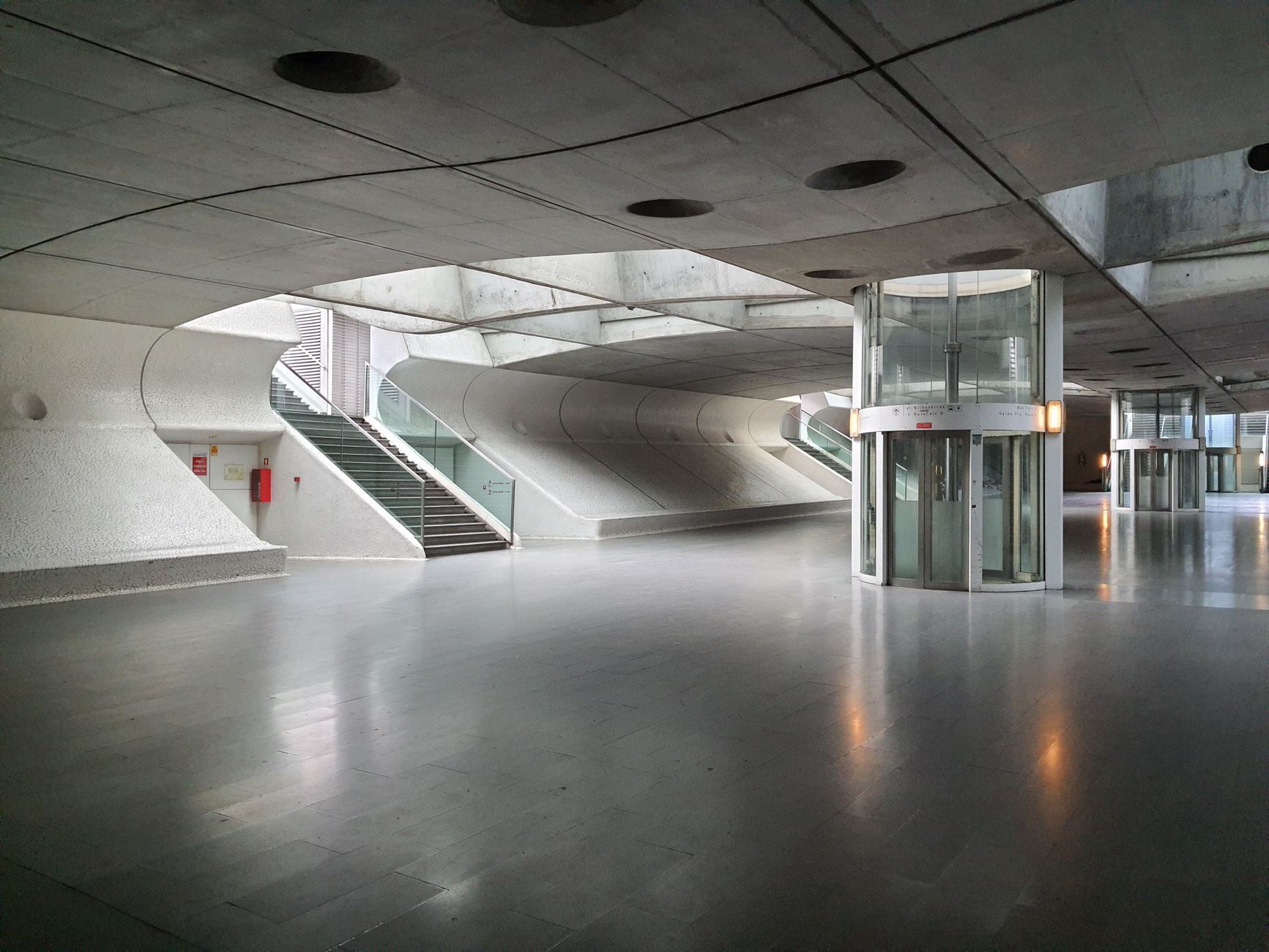
Santa Apolónia and Oriente are the main train hubs. At Santa Apolónia, you are already close to the center: Baixa is a short metro ride (blue line) or a 20–25 minute walk along the river. From Oriente, take the red metro line and change at Alameda or São Sebastião for Baixa/Chiado; the journey is about 20–25 minutes. Long-distance buses also arrive at Oriente, where you will find clear signs to the metro and taxis.
Taxis, Ride-Hailing, and Orientation
Taxis wait outside all terminals and stations. A ride to Baixa or Chiado from the airport usually costs €10–€15, including luggage and small surcharges, and takes 15–25 minutes. Ride-hailing apps like Uber and Bolt are widely used and often slightly cheaper; pick-up zones are signposted at the airport and major stations. For orientation, Baixa is the flat downtown area by the river, Chiado is the elegant shopping and café district just uphill, and Alfama is the historic maze of streets above the river east of Baixa. Keep your bag closed, especially on crowded trams and metro. Consider a 24-hour public transport pass if you plan several trips in one day; it is good value and easy to buy at metro stations.
